

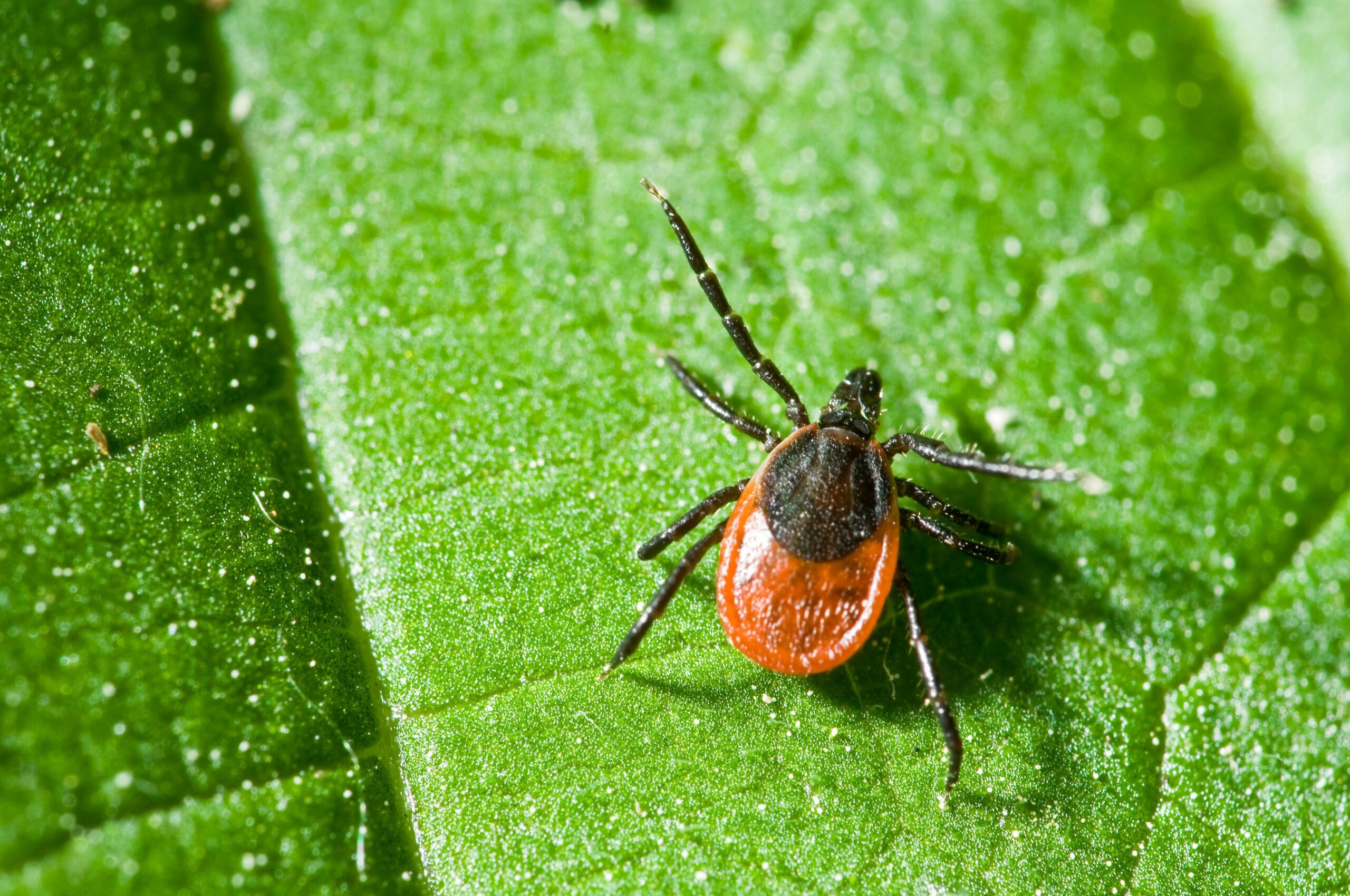
Climate Change, range Expansion of Native and Invasive Ticks and Tick-Borne Diseases, and Ensuing Public Health Challenges.
Increasing incidence of tick-borne diseases poses a critical public health threat. According to the Centers for Disease Control and Prevention (CDC), reported cases of Lyme disease in the United States (U.S.) have increased from 16,461 (incidence 6.11) in 1996 to 89,470 (incidence 26.94) in 2023, indicating an over five-fold and four-fold increase in the average number of cases and incidence (cases per 100,000 population), respectively. However, recent estimates suggest that approximately 476,000 people may be diagnosed and treated for Lyme disease each year in the U.S. Connecticut is among the top 10 states with the highest Lyme disease cases, reporting 37,949 cases from 2008 to 2023, and had the 10th highest incidence of 89.9 in 2023. In this lecture, the current status of ticks and tick-borne diseases in the U.S. and Connecticut and measures to prevent tick bites will be discussed. Our presenter will be Goudarz Molaei, Ph.D., a full research scientist and medical entomologist, director of the Passive Tick and Tick-borne Disease Surveillance Program, and an associate professor adjunct at the Yale School of Public Health.
Registration is required for this in-person event.